

When a Description Becomes a Verdict
How language shapes what we believe about ourselves, one another, and the world
How language can clarify experience—or turn an uncertain description into a judgment that stops further inquiry.
Read essay ↗The journal of the Human Return Project
Essays, Field Notes, and dispatches from an ongoing inquiry into what it means to be human—and what we might become.
An evolving publication
Some writing begins with a question. Some begins with an experience that resists an easy explanation. Signal & Spirit follows those questions through research, reflection, criticism, and revision.
Field Notes preserve ideas in motion. Essays develop their implications. Project Updates record what changes. An observation is not always a conclusion—and every conclusion remains open to evidence.
Start here · Featured field note
August 3, 2026The AI Conversation
What kind of inquiry produces clearer thinking? A field note on AI, uncertainty, and reality-aligned dialogue.
Read the Field NoteThe collection
Browse the essays and Field Notes by subject or search the collection. Dates reflect when each piece was written or originally published.
How language shapes what we believe about ourselves, one another, and the world
How language can clarify experience—or turn an uncertain description into a judgment that stops further inquiry.
Read essay ↗
How expanding AI data centers affect the communities where they are built—and what responsible development requires.
Read essay ↗
When emotional intensity becomes a substitute for direct requests, repair, or ordinary connection.
Read essay ↗
What kind of inquiry produces clearer thinking? A field note on AI, uncertainty, and reality-aligned dialogue.
Read field note
A speculative natural history of the fairy folk: ecological intelligence, glamour, folklore, and the ethics of imagining unseen neighbors.
Read speculative essay ↗
Why engage with a technology that can distort thought? A personal account of curiosity, caution, authorship, and the responsibility to keep thinking.
Read essay ↗
Distortion, Alignment, and the Human Search for What Is Real
Why Reality Alignment matters in an age of mediated experience, generated language, and the struggle to maintain contact with what is real.
Read essay ↗
What Happens When Human Consciousness Meets Intelligent Mirrors?
The founding field note on sustained human–AI collaboration, interpretive sedation, creative work, and returning to reality.
Read field note
When understanding another person begins to erase your own needs, compassion needs boundaries—and evidence.
Read essay ↗
How repeated self-silencing can erode self-trust, and how to begin responding to your own needs honestly.
Read essay ↗
A boundary can protect a relationship without turning protection into a permanent way of life.
Read essay ↗
Notes from Inside the Process
A personal reflection on language, authorship, creative judgment, and thinking in dialogue with AI.
Read field note
A misleading concert documentary opens a larger question: how can people protect shared reality without losing themselves to suspicion?
Read essay ↗
Understanding a pattern is not the same as interrupting it. A careful essay on habit, safety, repetition, and change.
Read essay ↗
The stories that protect us from what we would rather not know
A practical investigation into motivated reasoning, avoidance, identity protection, and the difference between genuine uncertainty and self-deception.
Read essay ↗
When does healthy self-questioning become the dismissal of lived experience rather than its examination?
Read field note
It Doesn’t Replace Human Thinking. It Reveals It
An early field note on the promise, limitations, and responsibilities of thinking with intelligent systems.
Read field note
When adaptation helps us belong—and when it costs us ourselves
Why social roles are not inherently false, and how to recognize when adaptation stops being a choice and becomes self-erasure.
Read essay ↗
Why an insight can remain useful even when the feeling of certainty fades
Clarity comes and goes; its absence is not always failure or growth. How to remain oriented while uncertainty returns.
Read essay ↗
Recognizing a reaction before it becomes an action
How a brief pause can create room for a different response, and why choice also depends on practice, safety, and support.
Read essay ↗
A preserved conversation from 2011 becomes a window into a younger mind learning to think and argue.
Read field note
Why uncomfortable possibilities deserve investigation, not instant certainty
Why questioning a relationship, a career, or an inherited belief can feel threatening—and how to investigate without rushing toward a verdict.
Read essay ↗
How to recognize inherited thoughts without mistaking a feeling for proof
How family, culture, fear, and experience shape our inner speech—and how to examine inherited beliefs without rejecting them automatically.
Read essay ↗
A meditation on individuality and belonging, using light and the ocean as metaphors rather than proofs of cosmic unity.
Read meditation ↗
The Invisible Prisons of the Modern Mind
Why self-reinforcing explanations can feel convincing, how echo chambers reinforce them, and what leaves room for genuine correction.
Read essay ↗
Beyond the roles we inherit and the ideals we choose
What makes us human, what different communities ask of a good life, and why human worth cannot depend on achieving an ideal.
Read essay ↗
How to honor a bodily signal without treating it as proof about another person or situation.
Read essay ↗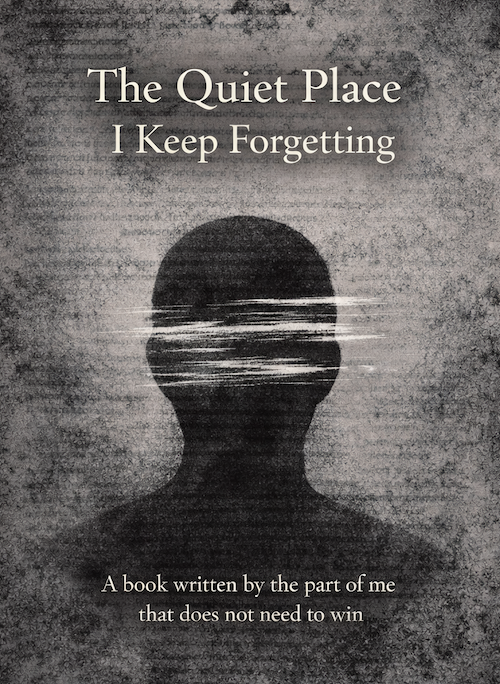
An introduction to a book about survival, noise, compulsion, and what remains when familiar strategies stop working.
Read essay ↗
A conversation about inexpensive housing raises an urgent question: why does complexity so often become an excuse for inaction?
Read essay ↗
Seven experiences that may invite self-examination—without turning feelings into unquestionable verdicts.
Read essay ↗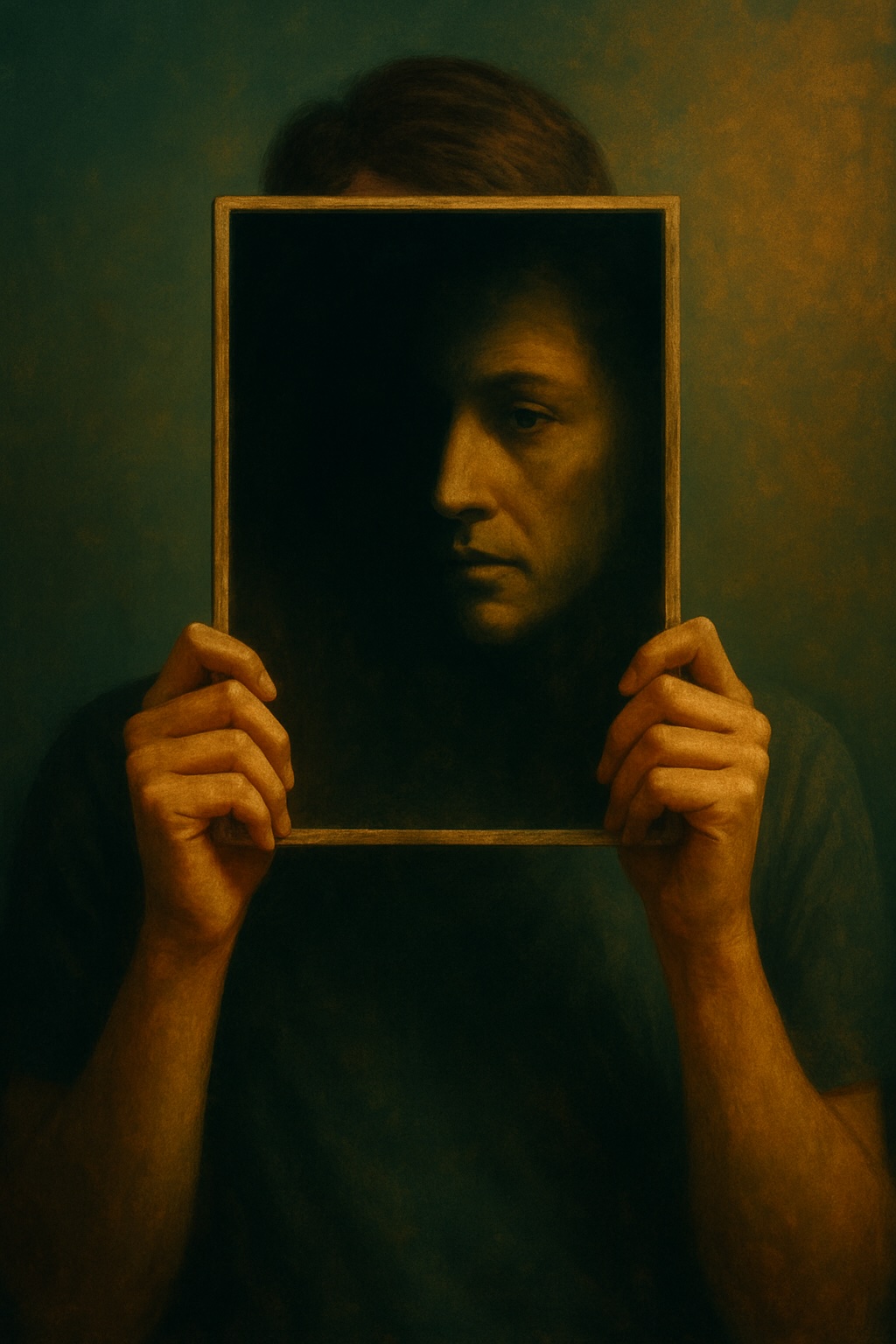
When becoming a brand affects the person behind the account—and what audiences may never see.
Read essay ↗
A lyrical meditation on the price of performing an identity for approval—and the possibility of returning to oneself.
Read meditation ↗
How spiritual language can be used to justify coercion—and the difference between love and control.
Read essay ↗
A question from a cam-site encounter opens an inquiry into coercion, economic pressure, and consent.
Read meditation ↗
Disappearing messages, sextortion, privacy, and the responsibilities built into digital design.
Read essay ↗
What happens when advice about confidence becomes a market for control and coercion?
Read essay ↗
An interpretation of Tori Amos’s music as a language of emotion, symbols, myth, independence, and inner life.
Read essay ↗
Life-insurance fraud, the abuse of identity, and the public safeguards that facts—not fear—can justify.
Read essay ↗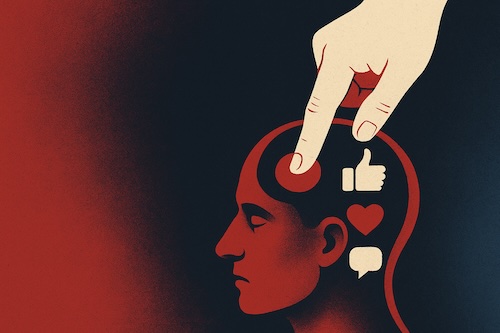
How design choices influence attention, behavior, and public life—and where claims of algorithmic control outrun the evidence.
Read essay ↗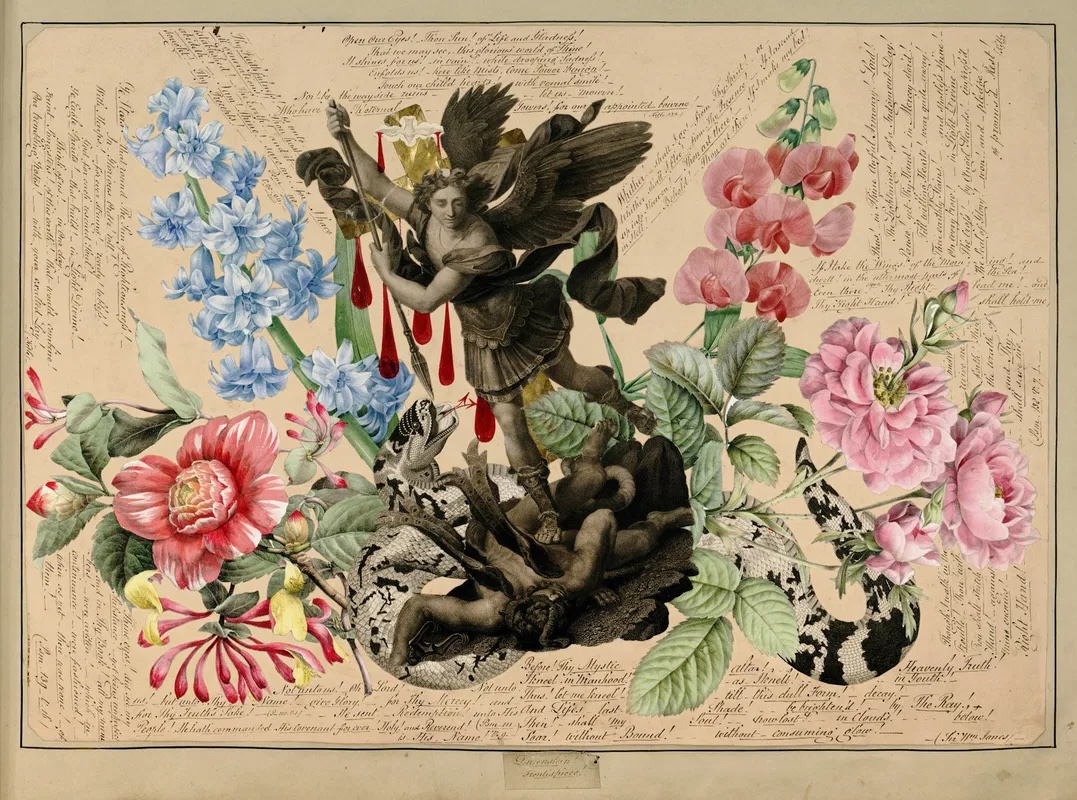
How controlling digital communities can turn belonging into obedience—and how to recognize the difference.
Read essay ↗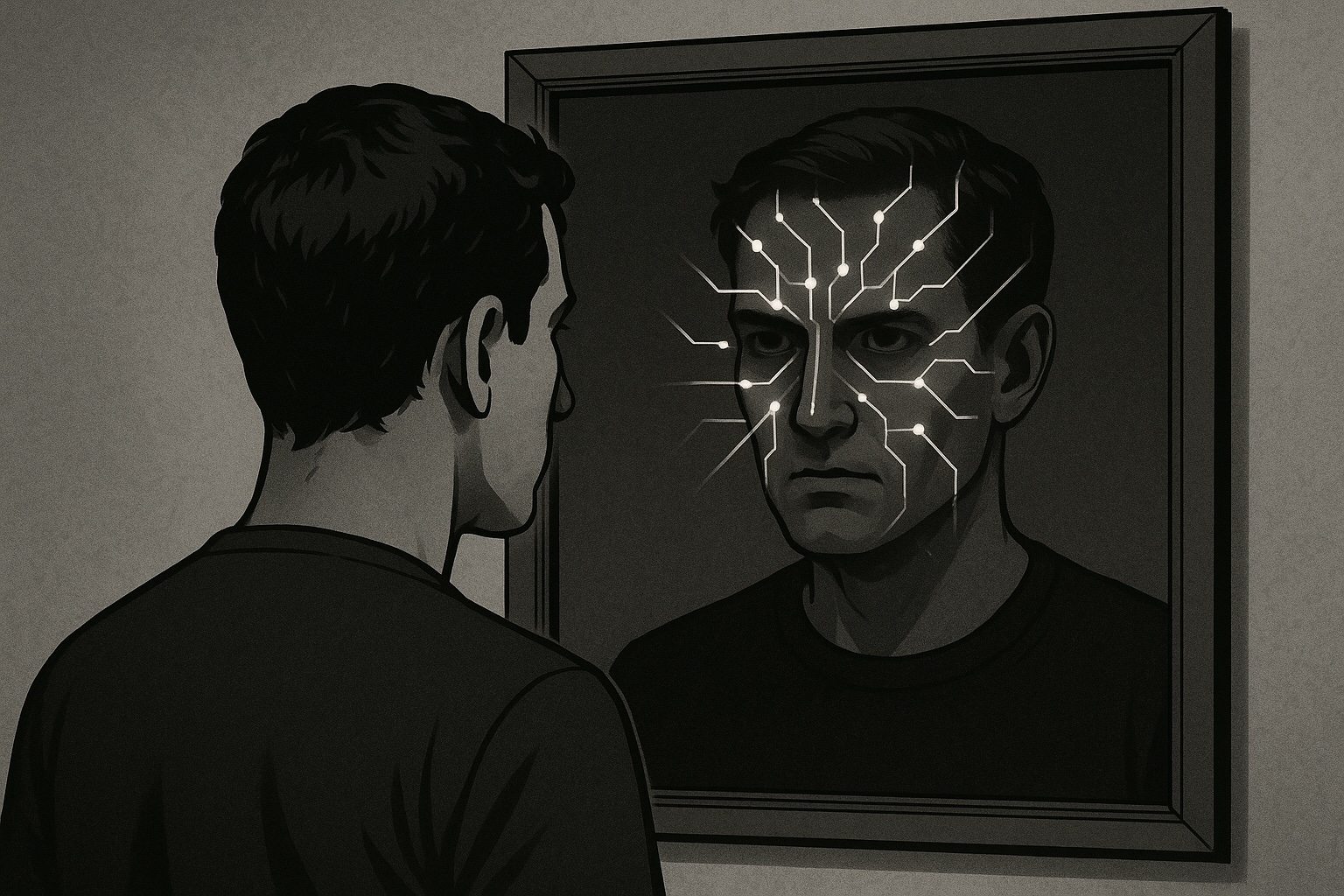
How AI and the Internet Reflect, Select, and Reshape What We See
How recommendations, training data, conversational AI, and synthetic media can magnify human assumptions—and why amplification is never simply neutral.
Read essay ↗
A mythic meditation on awareness, belonging, and humanity’s responsibilities within the living world.
Read meditation ↗No matching pieces yet. Try another search or topic.
Three kinds of writing
Developed investigations into perception, culture, technology, relationships, meaning, and power.
First-person observations, developing ideas, and questions open to further examination.
Changes and milestones across the Human Return Project's books, research, and experiences.
The archive includes essays and Field Notes, with more writing and Project Updates to follow.
Beyond the journal
The Library explores these subjects at book length. Interactive experiences turn ideas into decisions. The Philosophy pages examine Reality Alignment and the principles guiding this work.